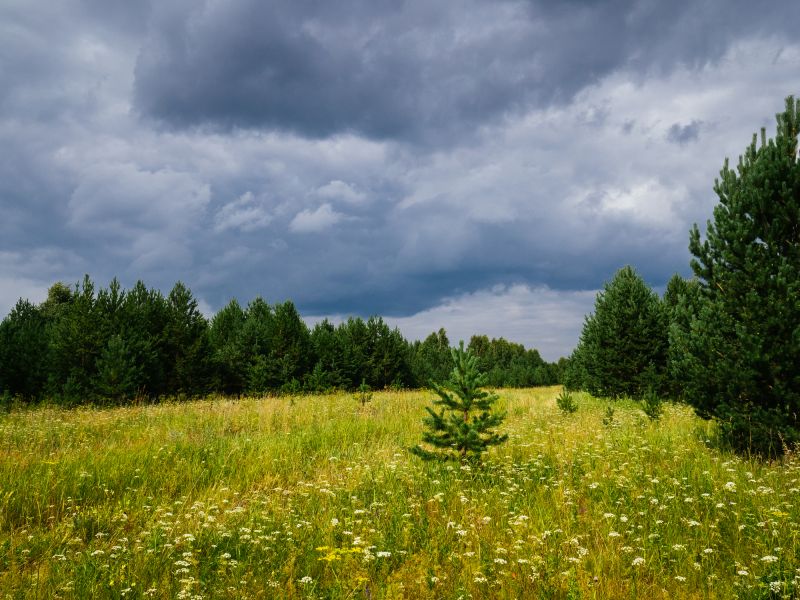
Field Clearing in Utah County, UT
Field clearing services involve the removal of trees, shrubs, brush, and other vegetation to prepare a property for construction, landscaping, or other development projects. This service is commonly requested for site preparation before building new structures, creating open spaces for recreational use, or managing overgrown areas to improve safety and accessibility. Property owners typically want to understand the scope of clearing needed, the types of vegetation involved, and any potential impact on the land to ensure the project aligns with their goals.
Before requesting field clearing, property owners should consider the size of the area to be cleared, the types of plants or trees present, and any local regulations or permits that might apply. Clarifying these details helps ensure the project proceeds smoothly and meets all necessary requirements. Proper planning can also help identify any obstacles, such as underground utilities or protected plant species, that may influence the scope or method of clearing.
Many property owners in Utah County, UT look into Field Clearing for repairs, replacements, upgrades, and appearance-related improvements.
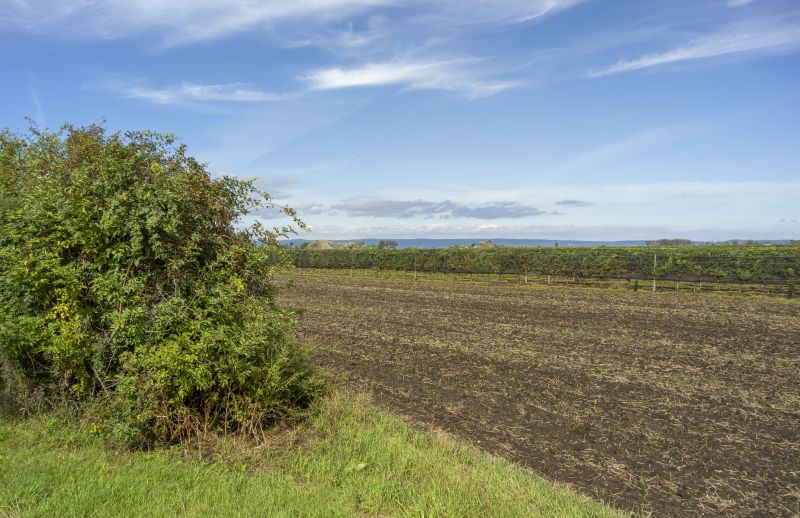
Site Preparation For Construction
Clearing overgrown land to prepare for building projects or new development.
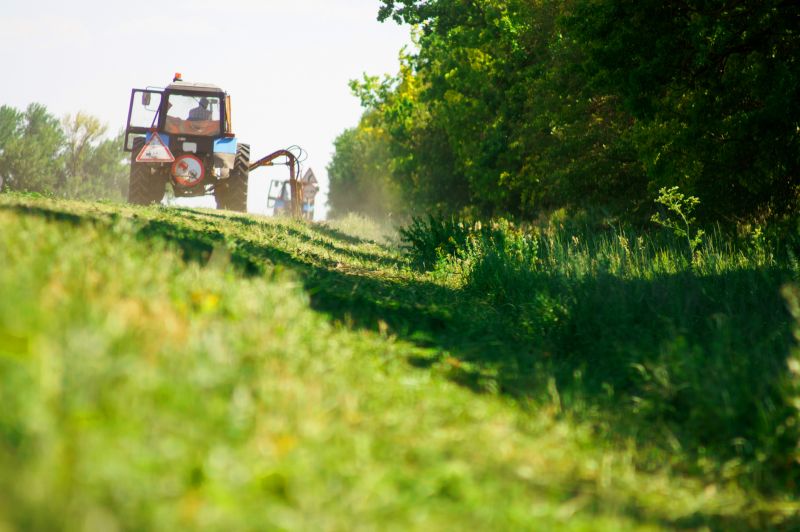
Vegetation And Brush Removal
Removing shrubs, trees, and brush to improve property safety and accessibility.
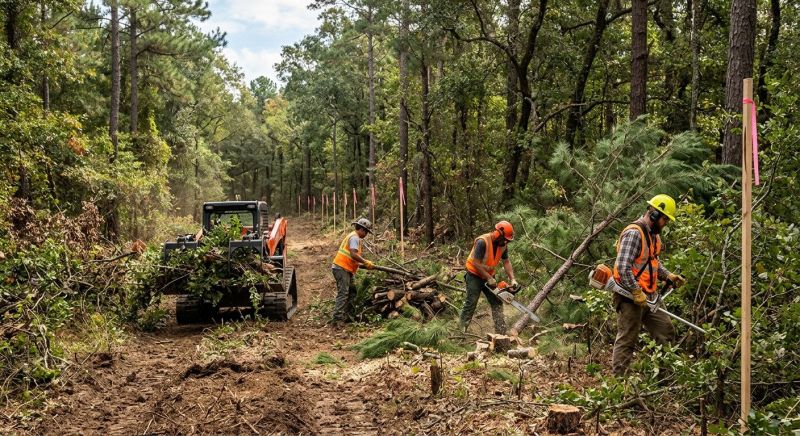
Land Clearing For Agriculture Or Landscaping
Preparing fields or yards by clearing debris and unwanted vegetation for planting or design.
Field Clearing in Utah County, UT
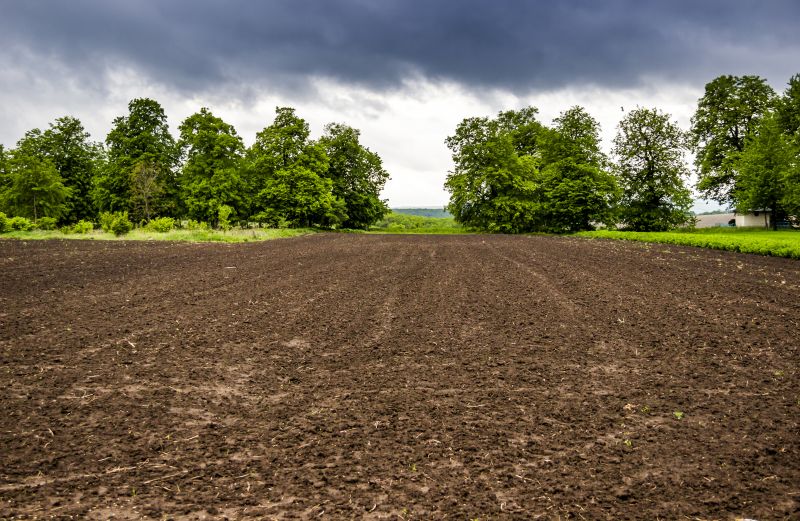
Field clearing services involve the removal of trees, shrubs, brush, and other vegetation to prepare a property for construction, landscaping, or other development projects. This service is commonly requested for site preparation before building new structures, creating open spaces for recreational use, or managing overgrown areas to improve safety and accessibility. Property owners typically want to understand the scope of clearing needed, the types of vegetation involved, and any potential impact on the land to ensure the project aligns with their goals.
Before requesting field clearing, property owners should consider the size of the area to be cleared, the types of plants or trees present, and any local regulations or permits that might apply. Clarifying these details helps ensure the project proceeds smoothly and meets all necessary requirements. Proper planning can also help identify any obstacles, such as underground utilities or protected plant species, that may influence the scope or method of clearing.
Many property owners in Utah County, UT look into Field Clearing for repairs, replacements, upgrades, and appearance-related improvements.
Common Field Clearing Jobs
Field clearing services - Remove overgrown brush and vegetation to improve property accessibility.
Lot preparation - Clear debris and unwanted growth to prepare land for construction or landscaping.
Vegetation removal - Eliminate trees, shrubs, and invasive plants to maintain a tidy landscape.
Fire risk reduction - Clear combustible materials to decrease fire hazards on residential properties.
Fence line clearing - Define property boundaries by removing encroaching plants and debris.
Storm cleanup - Clear fallen branches and debris after storms to restore property safety.
Field Clearing Questions
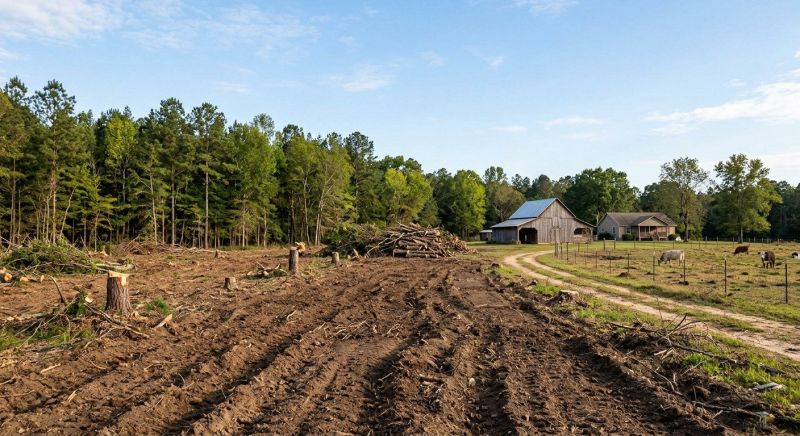
What is field clearing? Field clearing involves removing trees, brush, and debris to prepare land for development, agriculture, or landscaping projects.
What types of projects require field clearing? Projects such as building sites, farming, fencing, or creating open spaces often need field clearing services.
Is field clearing suitable for overgrown or wooded land? Yes, it effectively clears overgrown areas, making land accessible and ready for use.
What should property owners consider before clearing a field? It's important to assess land conditions, potential permits, and the extent of clearing needed before starting.
Request Field Clearing in Utah County, UT
Use the quote form on this page to share the basics of your project and request more information for the type of work you need.